
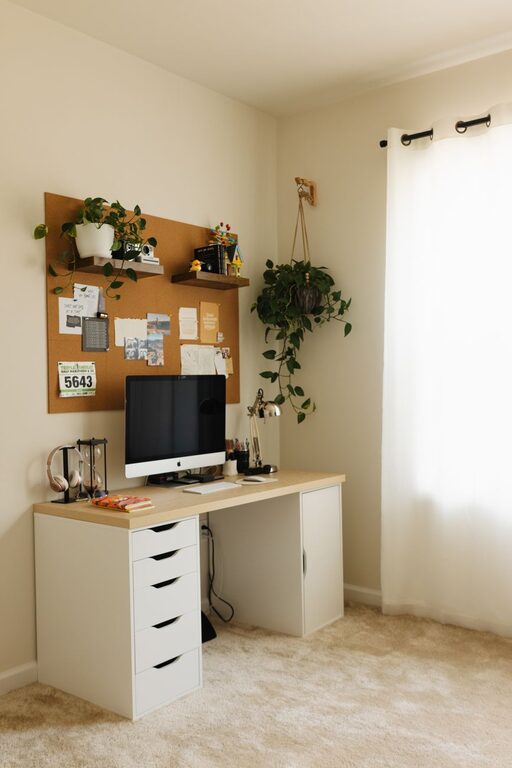
Setting up a productive home office space is essential for anyone working remotely or managing tasks from home. A well-designed workspace not only improves focus but also encourages good posture and a healthy work-life balance. In this post, we’ll explore practical tips to help you create a home office environment that fosters productivity and comfort.
Choose the Right Location
When selecting a spot for your home office, consider the following:
– Quiet Area: Pick a space that minimizes noise and distractions, such as a spare room or a corner away from busy household areas.
– Natural Light: Position your workspace near a window if possible. Natural light boosts mood and energy, reducing eye strain.
– Space for Movement: Ensure there is enough room to stretch, move around, or even do light exercises during breaks.
Invest in Comfortable, Ergonomic Furniture
Your workspace comfort plays a significant role in maintaining productivity throughout the day.
– Desk: Choose a desk that fits your needs—not too small to feel cramped, but not so large that it encourages clutter.
– Chair: Invest in an ergonomic chair that supports your lower back and promotes good posture.
– Monitor Setup: Position your computer screen at eye level to avoid neck strain.
Organize Your Workspace Efficiently
A clutter-free desk can help keep you focused and reduce stress.
– Use Storage Solutions: Shelves, drawers, and organizers help keep supplies tidy.
– Clear the Clutter Daily: Spend a few minutes at the end of each day tidying your desk to start fresh the next morning.
– Cable Management: Use clips or sleeves to keep cords organized and out of the way.
Optimize Lighting
Good lighting is crucial for preventing eye fatigue and maintaining alertness.
– Combine Natural and Artificial Light: Use a mix of natural daylight and soft, adjustable desk lamps.
– Avoid Glare: Position your screen away from strong light sources to prevent glare on your monitor.
– Consider Warm Light: Warmer light bulbs can create a cozy atmosphere, whereas cooler light is ideal for alertness.
Personalize Your Office Space
Adding personal touches can make your work environment more inviting and motivating.
– Decorate with Plants: Indoor plants improve air quality and add a calming presence.
– Use Inspiring Artwork or Quotes: Visual motivation can help maintain a positive mindset.
– Add Comfortable Accessories: Cushions, a cozy rug, or a footrest can increase comfort.
Set Boundaries to Separate Work and Home Life
Maintaining clear boundaries helps improve focus and prevent burnout.
– Define Work Hours: Stick to set work hours and communicate them with others in your household.
– Have a Dedicated Work Zone: Avoid working from your bed or couch to help mentally separate work time from personal time.
– Use Visual Cues: A closed door or a ‘do not disturb’ sign can signal when you need focused work time.
Establish a Routine and Prioritize Tasks
A structured routine can improve productivity and reduce stress.
– Start Each Day with a Plan: List your top tasks to focus on.
– Take Regular Breaks: Short breaks every hour can refresh your mind and body.
– Use Productivity Techniques: Methods like the Pomodoro Technique (working for focused intervals with breaks) can be helpful.
Manage Technology Effectively
Technology can boost productivity but also cause distractions.
– Use Productivity Apps: Tools for task management, calendar scheduling, and reminders keep you organized.
– Limit Distractions: Turn off non-essential notifications during work hours.
– Ensure Reliable Internet and Equipment: Fast internet and functional devices reduce frustrations and downtime.
Keep Your Workspace Healthy and Clean
A healthy workspace supports your well-being.
– Regular Cleaning: Dust and clean surfaces frequently to maintain a pleasant environment.
– Good Air Quality: Use air purifiers or open windows to circulate fresh air.
– Stay Hydrated: Keep a water bottle nearby to encourage regular hydration.
—
By following these tips, you can design a home office that not only supports your work tasks but also promotes well-being and satisfaction. Remember, the best workspace is one that fits your unique needs and helps you stay focused and comfortable throughout your workday.
About the Author